This is the kind of clinical depth that defines the best cosmetic tattoo removal course Sydney has to offer, not just a walkthrough of buttons and settings.
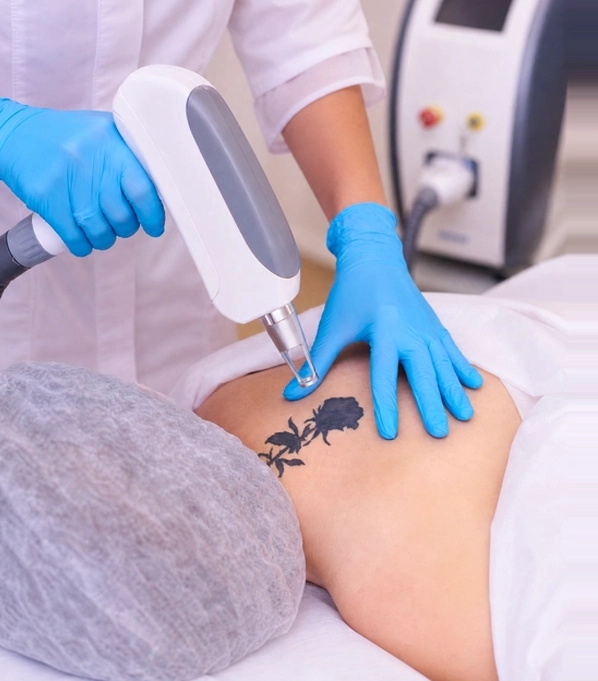
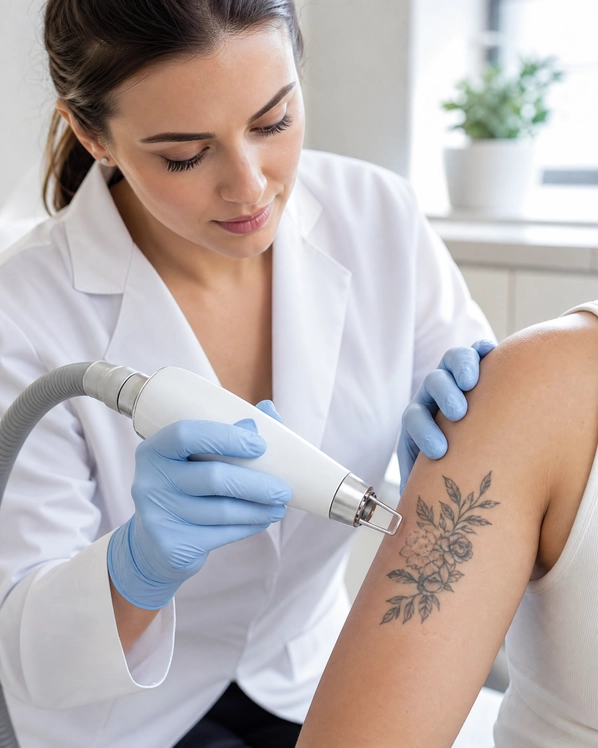
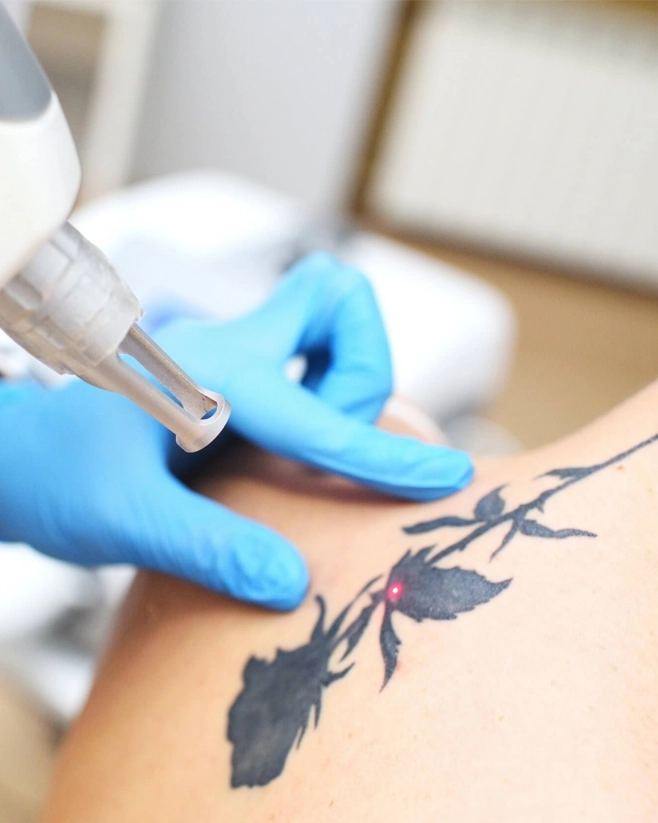
Cosmetic tattoo removal relies on a Q switched Nd:YAG laser, which releases energy in nanosecond pulses. Pulses this fast let pigment particles absorb light and heat far quicker than the surrounding tissue, which is what shatters the ink into smaller fragments while keeping the skin comparatively cool and undamaged.
Wavelength selection matters just as much as pulse speed. The 1064 nanometre wavelength penetrates deeper into the skin and is the safer choice for darker skin tones and black or very dark ink, because it is absorbed less by melanin and carries a lower risk of pigment change. The 532 nanometre wavelength sits closer to the surface and is more effective on red, orange and other warm toned pigments, which the deeper wavelength does not break down as well.
Cosmetic tattoos do not behave like body art, and this is one of the most important distinctions taught in this course. Brow, lip and eyeliner pigments are frequently iron oxide based, and iron oxide can oxidise under laser energy rather than simply fading. A soft brown brow can turn grey, blue or orange in a single pass if the wrong wavelength or settings are used. Patch testing before any full treatment, and explaining this risk to the client in plain language beforehand, is not optional. It is basic good practice, and something every graduate of this course is trained to do as standard.
Timing is treated with the same level of care as technique. The body clears fragmented ink gradually through the lymphatic system, which is why most cosmetic tattoo removal sessions need to be spaced six to eight weeks apart. Treating a client too soon adds further trauma to skin that has not finished healing underneath, and significantly raises the risk of scarring, prolonged redness and poor fading results.
Students also learn how this technical knowledge carries over into working relationships across the industry, including how to partner professionally with tattoo artists, cosmetic tattooists and other practitioners who may refer clients for removal or correction work before a new procedure.